-
How Carbon Fiber 3D Printing Compares to CNC Machining
Industrial manufacturing often requires a choice between additive and subtractive methods. This article provides a technical comparison between Carbon Fiber 3D printing and traditional CNC machining. We analyze strength-to-weight ratios, lead times, geometric complexity, and cost-effectiveness for low-to-medium volume production runs of high-performance engineering parts.
-
Choosing the Right 3D Printing Material for Heat Resistance
Choosing the right 3D printing material for heat resistance is critical for industrial applications. This guide explores high-performance polymers like PEEK, PEI (Ultem), and Carbon Fiber reinforced filaments that maintain structural integrity at elevated temperatures. We compare thermal properties, glass transition temperatures, and real-world use cases in aerospace and automotive engineering.
-
Top Materials for End Use Parts
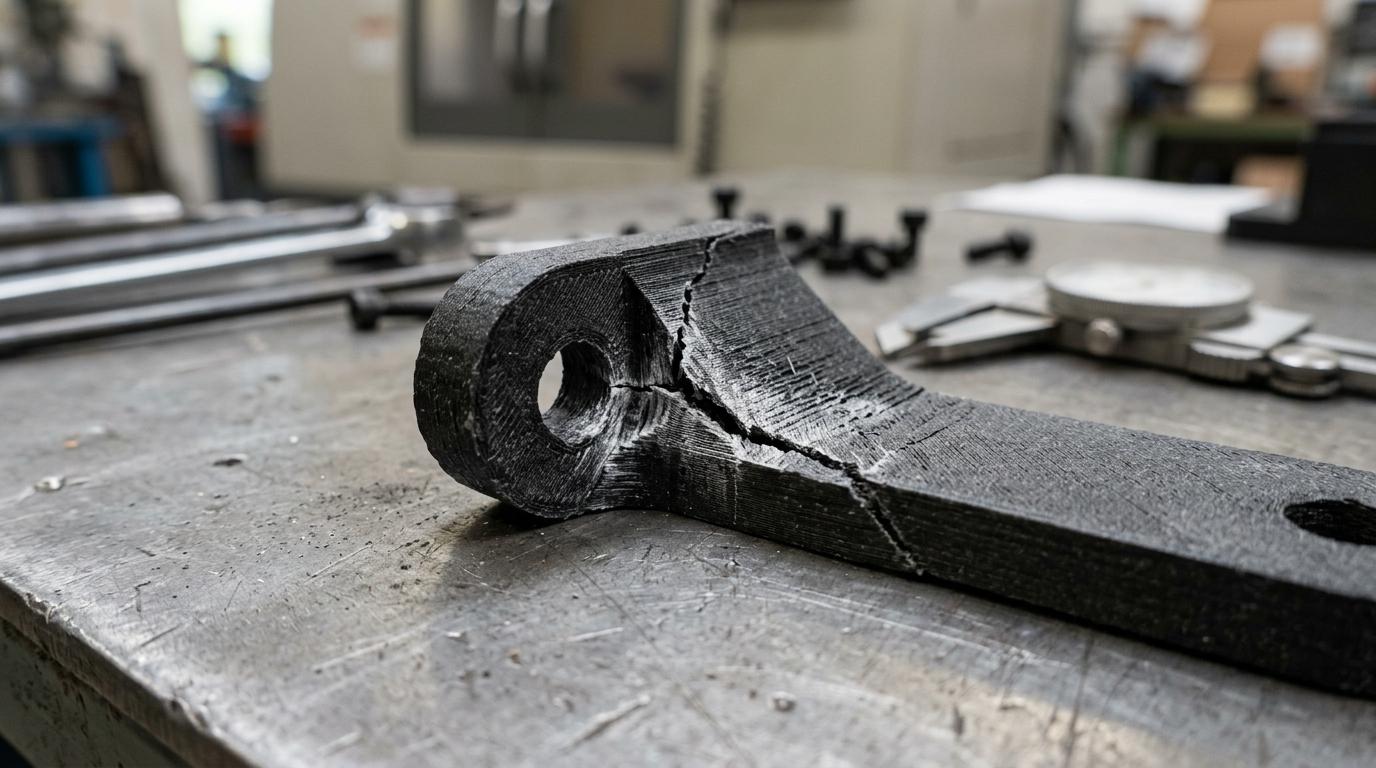
End-use parts are not display models. They are brackets, covers, jigs, ducts, housings, seals and replacement components that have to survive real loads, heat, wear and weather in service. The core problem they solve is speed versus reliability: manufacturers want faster production and lower inventory without accepting field failure. That makes material selection the main…
Your cart (items: 0)
Subtotal
$0.00
Shipping and discounts calculated at checkout.
Your cart is currently empty!